Lucky Charms From Around the World
, , , 
Everyone has some sort of relationship with luck or fortune, and we can get incredibly superstitious about it. For some of us, it’s a certain pair of pants that have to be worn going to the match on a Saturday, while for others it might be a necklace, or one of the many trinkets across different cultures which are associated with luck.
These are often passed down from folklore and go anywhere where people might try to alter the odds with a little help, and you’ll find rabbit’s feet, horseshoes and scarabs. The casino is a great example of this. Enter any Las Vegas, and you’ll find people clutching their lucky charms. In fact, even playing online at the , you’ll find a Maneki-neko, a four-leaf clover or any other form of item that could bring luck to your laptop.
Of course, plenty of people are cynical about such items, too, but they are incredibly interesting and reflect a community’s values and history. Below you’ll find seven lucky items from different cultures around the world and their origins…
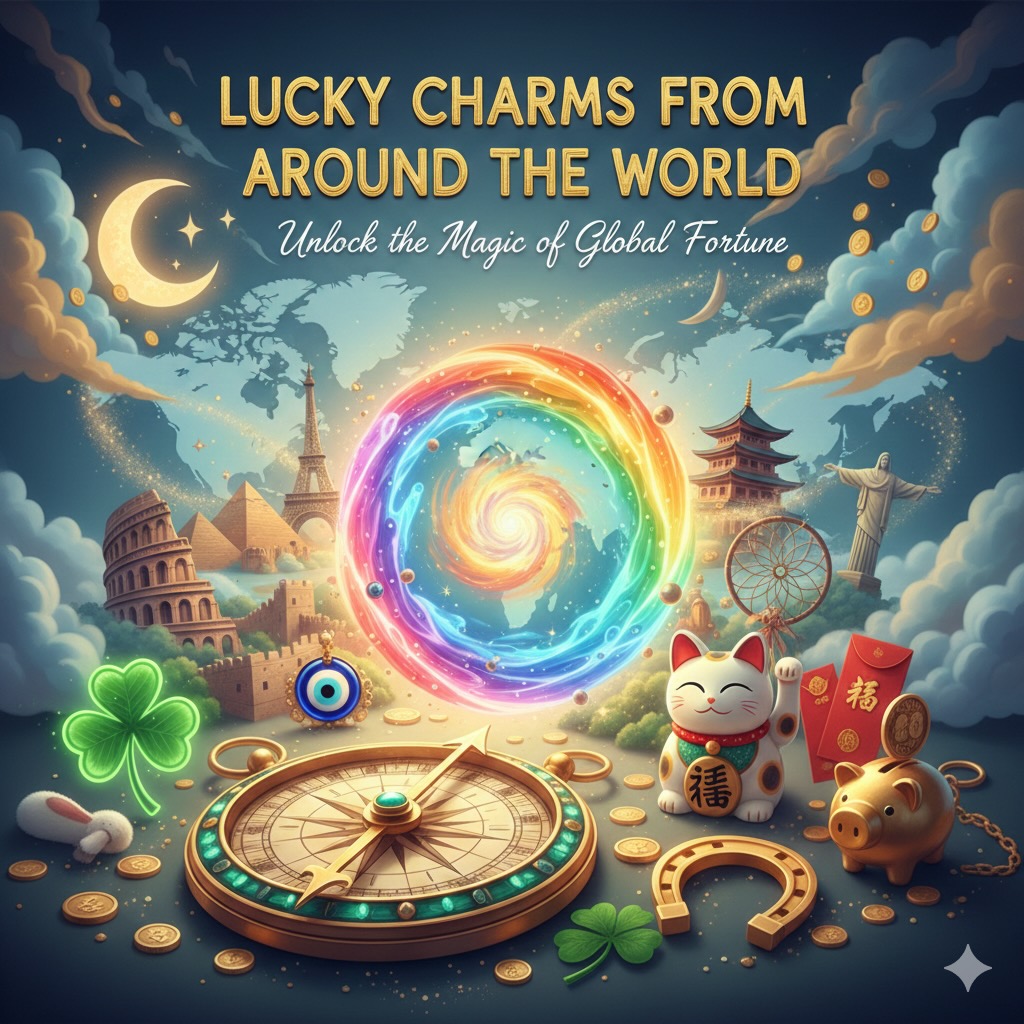
The Maneki-neko (Japan)
Often called the beckoning cat, you’ll find that the Maneki-neko is prominent across Japan, and incredibly recognisable around the world. The cat, with one paw raised, gives a gentle wave, which is believed to provide good fortune.
The Maneki-neko dates back to the Edo-period legend, where it’s believed that a cat’s gesture saved a traveller from danger, which led to prosperity for a struggling temple. Actually, there are different variations of the car, all of which carry different meanings. A left paw raised is said to attract people, while a raised right paw beckons wealth.
If the cat is white, this symbolises purity, gold represents riches, while a black cat will ward off evil.
The Four-leaf Clover (Ireland)
Across Ireland, find a , and you’re going to be blessed. It’s long been believed that they hold a special power, with only one in several thousand clovers growing an extra leaf.
The three-leaf shamrock is, of course, heavily associated with the nation and one with four leaves is prized due to its scarcity. Each leaf represents a different blessing – faith, hope, love and luck. Across Celtic folklore, the four-leaf clover grants protection from misfortune, as well as the ability to see fairies. So, find one, and it could be an incredibly magical time for you.
The Horseshoe (Europe)
Right across Europe, and in particular across Britain, the horseshoe is one of the most enduring symbols of luck. Made from iron, it is thought to repel evil spirits and is a sign of strength and protection. It’s why so many people, to this day, still hang one above a doorway, preventing any evil forces from entering the home.
That said, there is a debate over how it should be displayed, with some believing it should be facing upwards to hold the luck. Others face it downwards, allowing good fortune to spill freely. That’s entirely up to you, though.
The Nazar Boncuğu (Turkey)
The evil eye charm is really prominent in Turkey and is a blue glass disc with circles resembling an eye. Called a Nazar boncugu, it’s designed to protect against the evil eye, a glare that’s born of jealousy or ill intent. It’s a belief that stretches back thousands of years and reflects a deep-rooted belief in unseen forces.
The blue within the Nazar boncugu is associated with protection, with the eye then reflecting negative energy back to its source. They’re frequently worn as jewellery, hung in homes or even attached to a newborn baby’s clothing as a safeguard.
The Scarab Beetle (Ancient Egypt)
A symbol often found in slot casino games, the scarab beetle is a symbol of rebirth and renewal. In Ancient Egypt, scarabs were linked to Khepri, the sun god and amulets were often worn for protection and to ensure safe passage into the afterlife.
Many are often inscribed with prayers or spells to reinforce their magical purpose, and it’s still one of the key emblems of spirituality in Egypt, representing hope for continuity beyond death.
The Laughing Buddha (China)
We’re probably all aware of the laughing Buddha and it represents a legendary Chinese monk who was known for his cheery nature and generosity. He symbolises contentment, abundance and good fortune and rubbing his belly is believed to bring luck and wealth.
You’ll find statues in many places across China, from homes to businesses and is a fun and quirky statue for people to have around the home beyond China these days too.
The Rabbit’s Foot (North America and Europe)
Finally, is one of the most recognisable lucky charms in Western popular culture, particularly associated with folklore in United States and parts of Europe. Its origins are complex, blending ancient Celtic beliefs about animals as intermediaries between worlds with later African American folk traditions, especially those rooted in hoodoo practices.
Rabbits have long been linked to fertility, speed and survival, qualities that naturally lent themselves to ideas of good fortune. Because rabbits live in burrows beneath the earth, they were once thought to have a special connection to protective spirits or hidden knowledge. The foot itself, traditionally carried in a pocket or worn on a keychain, was believed to bring luck to its owner, particularly in gambling or risky ventures.
Today, the rabbit’s foot is often reproduced in synthetic materials, reflecting modern ethical concerns while preserving its symbolic meaning. As a lucky item, it reveals how superstition evolves with society, adapting while the belief in luck remains, the way we express it adapts to changing values.
Related Archive
Unveiling the Cosmic Connection: Silver vs. Gold for Luck, Based on Your Birth Chart
Celestial Purity: Unveiling the Top 5 Zodiac Signs with Hearts of Gold
Unveiling the Enchanting World of Gemstones: A Journey of Beauty, Healing, and Well-being
