How to Use Breast Pumps to Manage Oversupply Safely and Effectively
, , , 
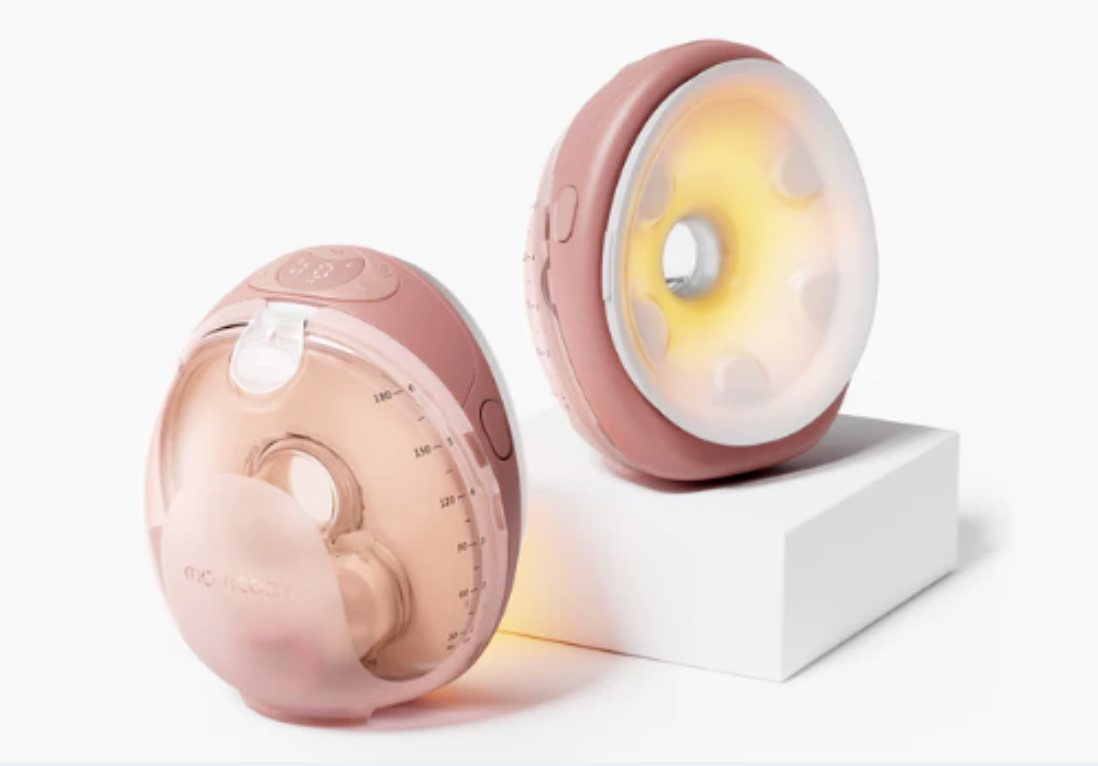
Producing plenty of breast milk can feel like a blessing—until it becomes overwhelming. Leaking, engorgement, clogged ducts, and constant pumping can quickly turn oversupply into a physical and emotional challenge. Learning how to manage oversupply effectively is essential for protecting your comfort while maintaining a healthy breastfeeding relationship. The right tools matter, and choosing a supportive pump for oversupply, such as can make a significant difference.
This guide explains why oversupply happens, how pumping affects demand, and how to adjust your routine so pumping works with your body—not against it.
Understanding Breast Milk Oversupply
Oversupply occurs when your body consistently produces more milk than your baby needs. While some parents naturally have a higher milk capacity, oversupply is often unintentionally created through early pumping habits, frequent emptying, or pumping in addition to full feeds.
Common signs of oversupply include:
- Frequent engorgement or fullness
- Fast or forceful let-down
- Recurrent clogged ducts or mastitis
- Baby coughing, choking, or pulling off during feeds
- Excessive leaking between sessions
Oversupply is not dangerous on its own, but unmanaged milk production can lead to discomfort, inflammation, and burnout if not addressed carefully.
Why Oversupply Can Be Just as Challenging as Low Supply
Low milk supply often gets more attention, but oversupply presents its own unique difficulties.
Physical Challenges
Excess milk stretches breast tissue, increasing pressure and inflammation. Persistent fullness can:
- Compress milk ducts
- Slow milk flow despite high volume
- Increase mastitis risk
Feeding Difficulties
Babies may struggle with:
- Fast milk flow
- Gassiness and reflux-like symptoms
- Short, frequent feeds
Emotional Strain
Constant pumping, leaking, and discomfort can make feeding feel unsustainable. Many parents feel trapped in a cycle where pumping relieves pain but worsens the problem long-term.
Understanding that oversupply requires reduction, not stimulation, is the key mindset shift.
How Pumping Influences Milk Demand
Milk production operates on a supply-and-demand system. The more often and more completely milk is removed, the more milk your body is signaled to produce.
Pumping:
- Fully empties the breast
- Stimulates additional let-downs
- Sends a strong production signal
This is beneficial for low supply—but counterproductive when managing oversupply.
The goal shifts from “emptying for volume” to relieving pressure without increasing demand.
What Pumping Techniques Help Reduce Overall Demand?
Managing oversupply does not mean stopping pumping altogether. Instead, it requires strategic pumping methods that gently communicate to your body that less milk is needed.
Pump for Relief, Not Emptying
Instead of pumping until the breast is fully drained:
- Pump just until discomfort eases
- Stop when pressure reduces, not when flow stops
- Leave some milk behind intentionally
This gradual approach helps downregulate supply without triggering engorgement.
Use Block Pumping Carefully
Block pumping mimics block feeding and involves pumping only one breast for a set time period while allowing the other to rest.
Example:
- Pump or feed from one side for 3–4 hours
- Use the other breast only for comfort if needed
This method should be used cautiously and ideally with professional guidance, as overly aggressive block pumping can cause clogged ducts.
Reduce Pump Frequency Slowly
Abruptly cutting pumping sessions can backfire.
Instead:
- Shorten sessions before removing them
- Space pumps farther apart gradually
- Monitor breast comfort closely
Gradual changes give your body time to adjust safely.
How to Pump for Comfort Without Stimulating More Milk
Comfort-focused pumping requires attention to both technique and settings.
Keep Sessions Short
Limit sessions to:
- 10–15 minutes
- Enough to soften the breast, not empty it
Long sessions increase prolactin release and reinforce oversupply.
Lower Suction Settings
Higher suction does not mean better milk removal for oversupply management.
Use:
- Gentle, comfortable suction
- Slower cycling speeds
- Massage modes sparingly
Pain or nipple stretching signals overstimulation.
Avoid Pumping to “Empty”
Fully emptying tells your body that demand remains high. Instead, stop once:
- Pressure is relieved
- Breast tissue feels softer
- Milk flow naturally slows
Leaving residual milk helps reduce future production.
Timing Matters: When to Pump During Oversupply
Strategic timing can minimize stimulation while maintaining comfort.
Helpful timing strategies:
- Pump after feeding, not before
- Avoid pumping between feeds unless uncomfortable
- Keep nighttime pumping minimal unless medically necessary
Night pumping is especially stimulating due to higher prolactin levels
When to Transition Toward a Slower Pumping Schedule
As your supply begins to regulate, you can continue tapering pumping frequency.
Signs you’re ready to reduce pumping include:
- Less engorgement between feeds
- Fewer clogs or pressure episodes
- Baby feeding comfortably without choking
Transition steps:
- Shorten sessions first
- Increase time between pumps
- Remove one session every few days
Never eliminate multiple sessions at once.
Supporting Oversupply Reduction Beyond Pumping
Pumping adjustments work best when paired with supportive habits.
Cold Therapy Between Sessions
Cold packs:
- Reduce inflammation
- Slow milk production signals
- Relieve swelling
Apply for 10–15 minutes after feeds or pumping.
Breast Support
A well-fitted bra:
- Provides compression without restriction
- Prevents excessive movement
- Reduces discomfort
Avoid overly tight bras, which can trap milk and cause clogs.
Feeding Positions Matter
Positions that slow milk flow—such as laid-back feeding—help babies manage oversupply and reduce demand-driven stimulation.
Common Mistakes That Worsen Oversupply
Avoid these common pitfalls:
- Pumping preemptively “just in case”
- Chasing a freezer stash
- Increasing suction for faster emptying
- Pumping both breasts aggressively when only one is uncomfortable
Oversupply management is about less stimulation, not efficiency.
When to Seek Professional Guidance
If oversupply is causing:
- Recurrent mastitis
- Severe nipple pain
- Feeding refusal
- Persistent discomfort despite adjustments
Consult a lactation consultant. Personalized guidance ensures safe reduction without risking supply drops or infections.
Emotional Well-Being During Oversupply Management
Oversupply can feel frustrating and isolating, especially when others assume “more milk is better.” Your comfort matters.
Give yourself permission to:
- Reduce pumping
- Prioritize comfort over output
- Adjust goals as your body changes
Managing oversupply is a valid and healthy breastfeeding goal.
Conclusion
Learning how to use breast pumps to manage oversupply requires a shift from maximizing output to protecting comfort and long-term sustainability. Pumping remains a helpful tool—but only when used intentionally, gently, and strategically.
By choosing the right pump for oversupply, shortening sessions, lowering stimulation, and gradually reducing frequency, you can guide your body toward balance without pain or pressure. Oversupply management is not about doing less—it’s about doing what your body actually needs.